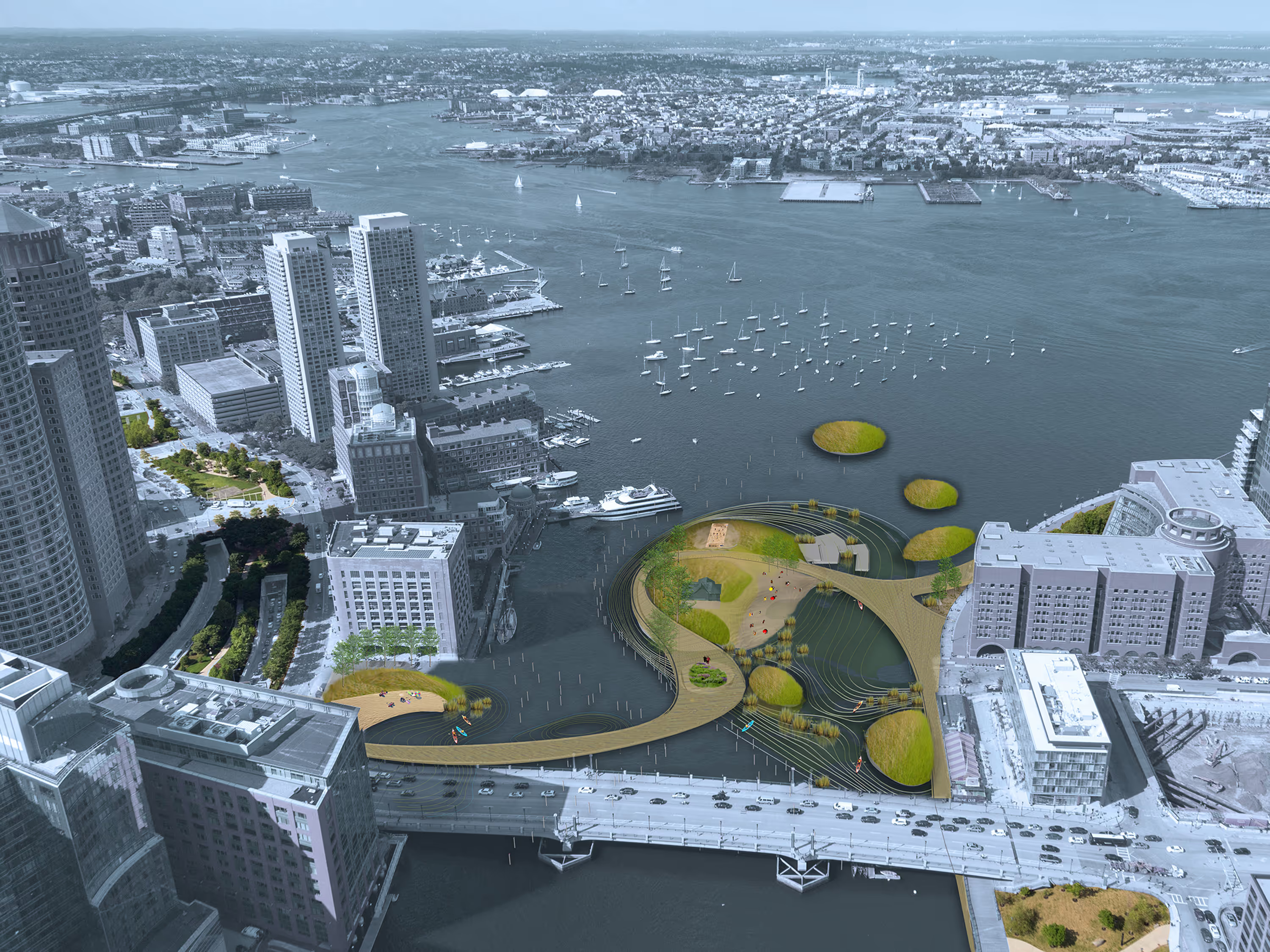
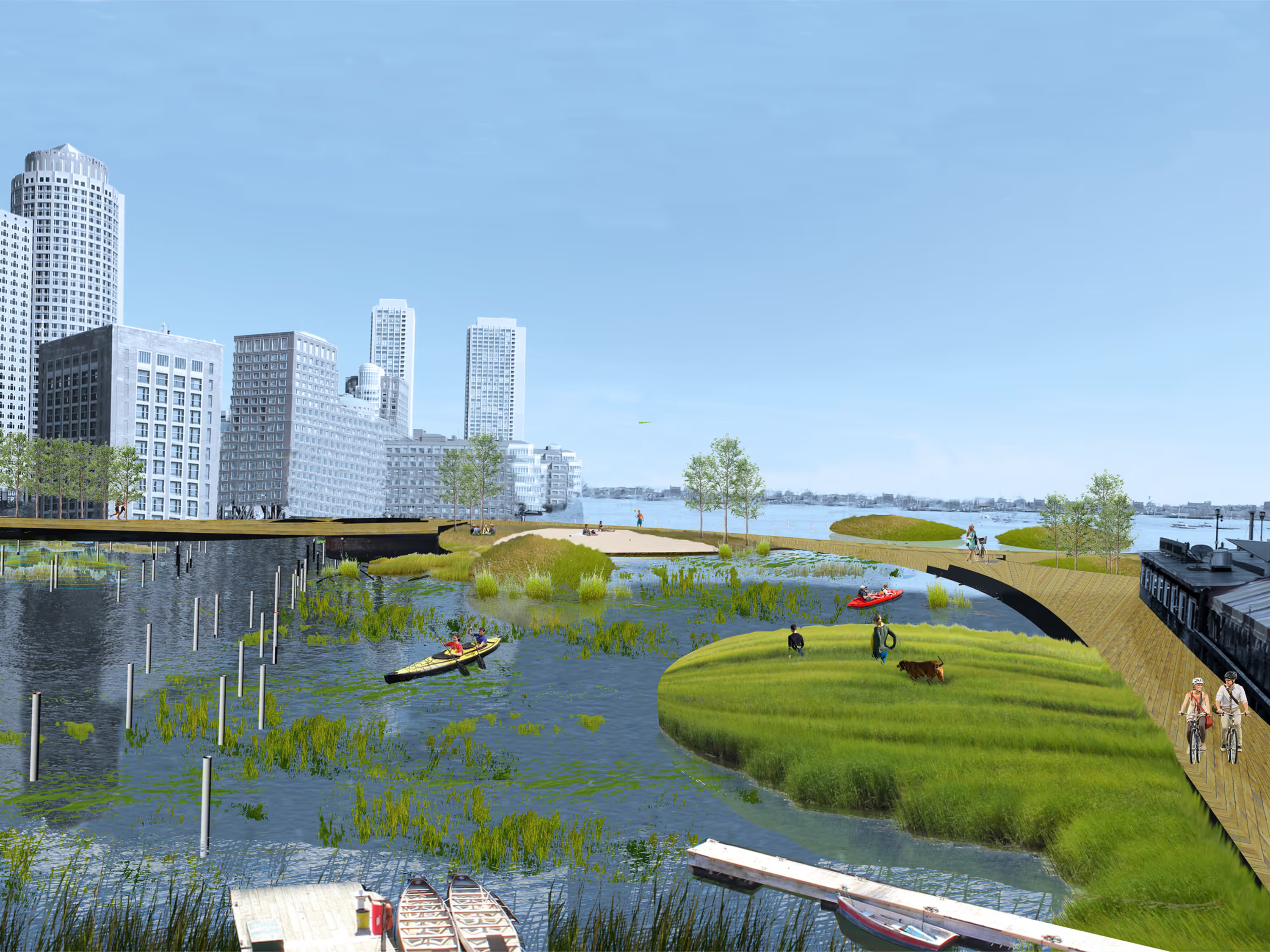
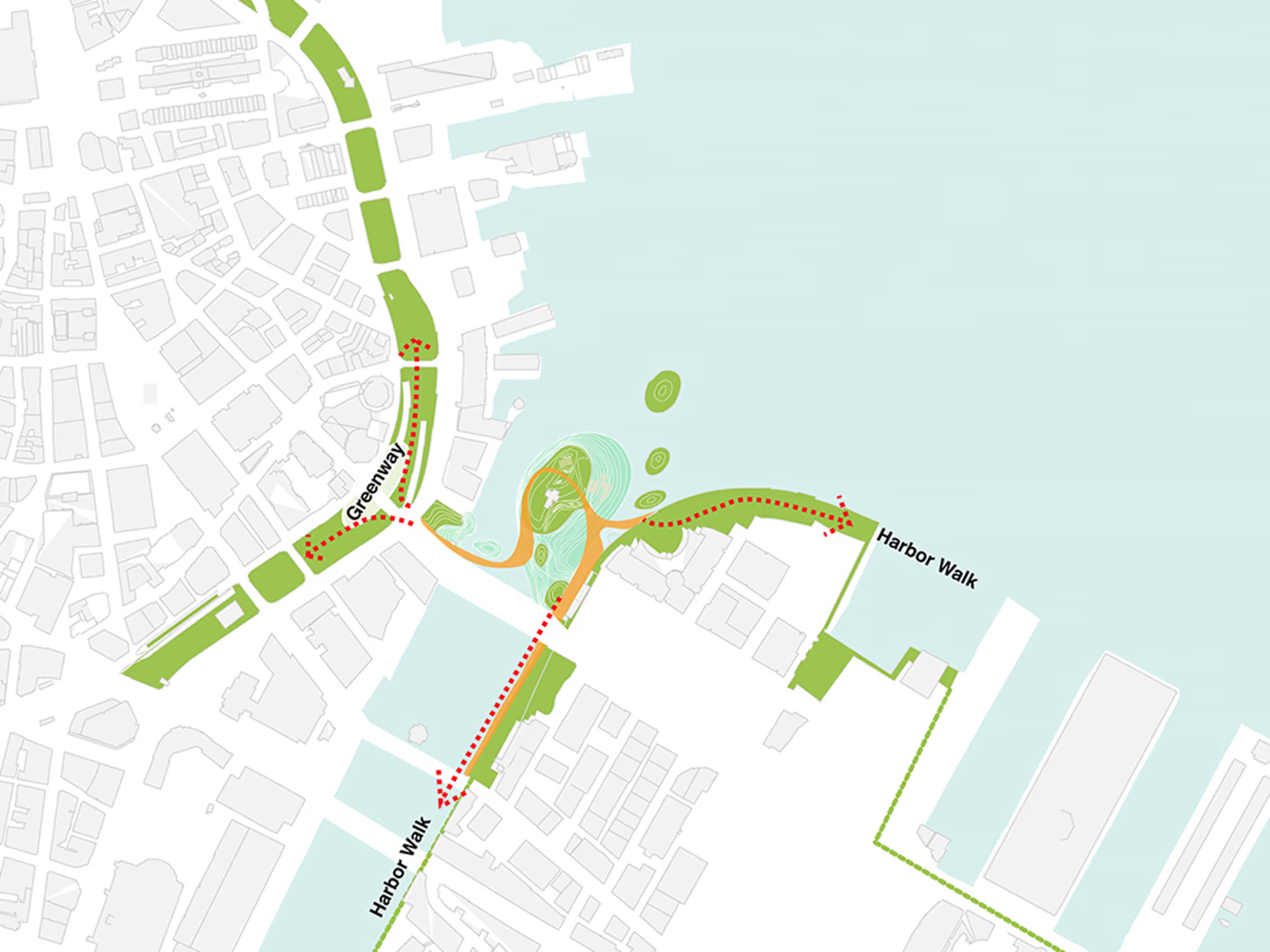
The Northern Avenue Tidal Bridge is a new pedestrian and bike corridor that connects the Rose Kennedy Greenway with the Boston HarborWalk through a new coastal landscape, while providing a new destination in the water front and restoring the ecological functions of the salt marsh. Located at the point of closest proximity between the greenway and the waterfront, and an important entry point into a fast developing waterfront district, the west landing of the north avenue bridge is preserved as an open space that preserves views and enhances connectivity from downtown to the harbor. Here, by softening the edge of the channel, a new urban beach creates a public gathering space and place to start the promenade along the new sculptural bridge. As it approaches the east edge of the channel, the bridge splits into two paths: to the north towards fan pier park and the eastern part of the Harbor Walk, and to the south to connect to the Children’s Museum Park and the southern part of the HarborWalk.
The bridge preserves two aspects of the historic bridge:the round stone base that is the hinge point of the swivel bridge, preserved as the base of the main turn on the new bridge, and the building, which becomes an amenity in the new harbor island. The bridge builds on Boston’s tradition of land making by using dredged sediment from the harbor, needed to sustain new ships and create new marsh islands. Instead of turning the land into new real estate though, it creates a new public space with an ecological function. Tidal fluctuations will be revealed through the expanding footprint of an island. At high tide the island is only accessible through the bridge or by kayak. At low tide a network of marsh islands opens up new land to walk from the edge of the marsh to the beach at north avenue island. The marsh acts as a sponge, with native grasses that help clean the contaminated water coming out of combined sewer overflows nearby and provide tidal attenuation to protect the channel from storm surges. This could be the first phase of a process of marsh construction along the edge of the harbor that will help protect the city from the most devastating impacts of sea level rise.